Case Study — Logistics & Warehousing
From manual counts to automated inventory tunnels
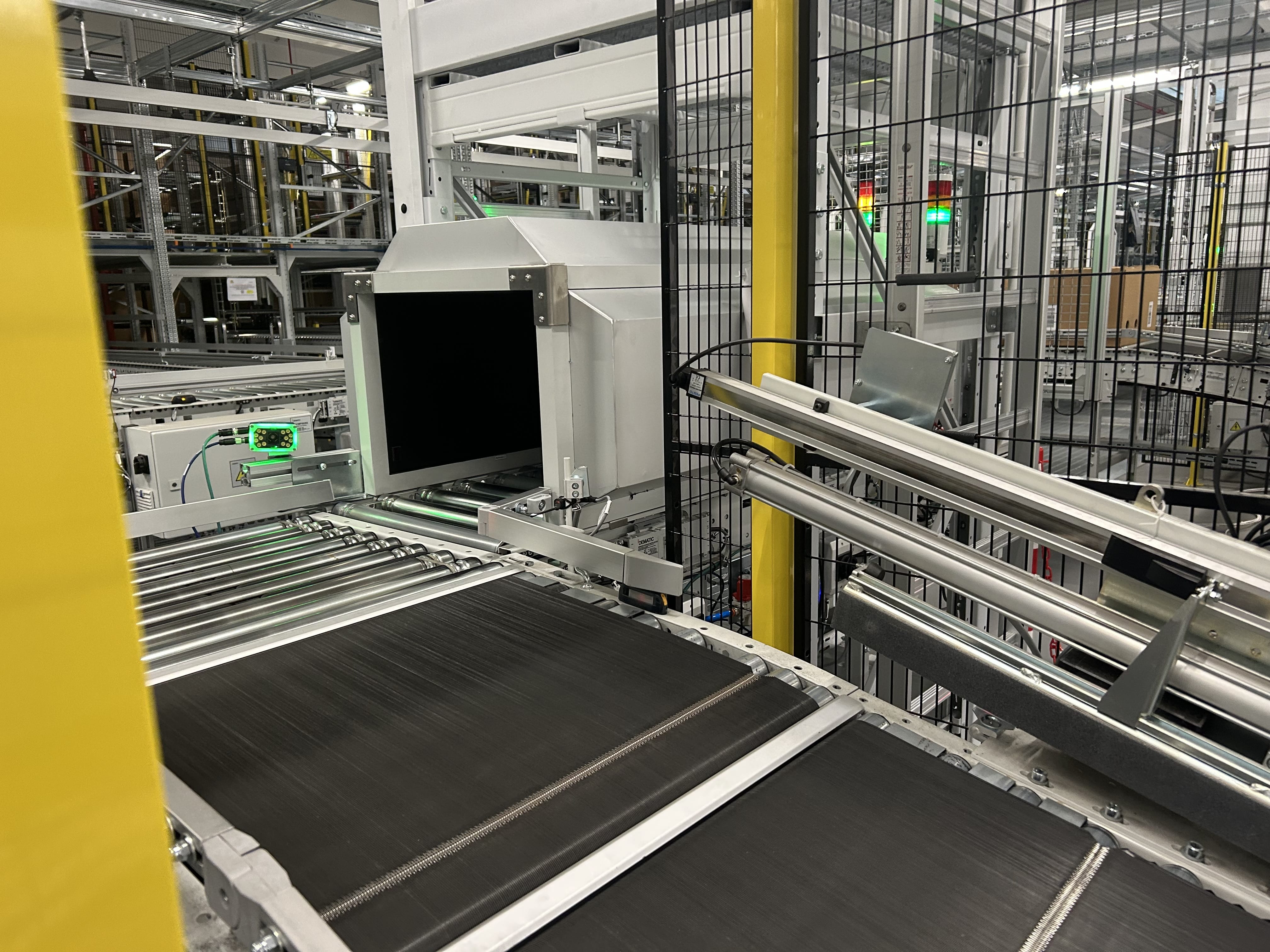
How a fashion & luxury system integrator helped a brand eliminate manual stock counts by installing RFID reading tunnels on the warehouse conveyor lines and recovered the investment in under 4 months
Three cycle counts a year. Each one a manual job.
The brand ran three full stock counts per year across its automated warehouse. Each one meant pulling operators from regular operations, arming them with barcode scanners, and working through the inventory line by line. The process was slow, error-prone, and expensive — and it had to happen three times annually. The system integrator brought in to solve it needed to read RFID tags on every carton moving along the conveyor lines without any false reads from adjacent stock. The challenge: high tag density, variable conveyor speed, and zero tolerance for read leakage outside the tunnel perimeter.
Multi-antenna reading at conveyor speed
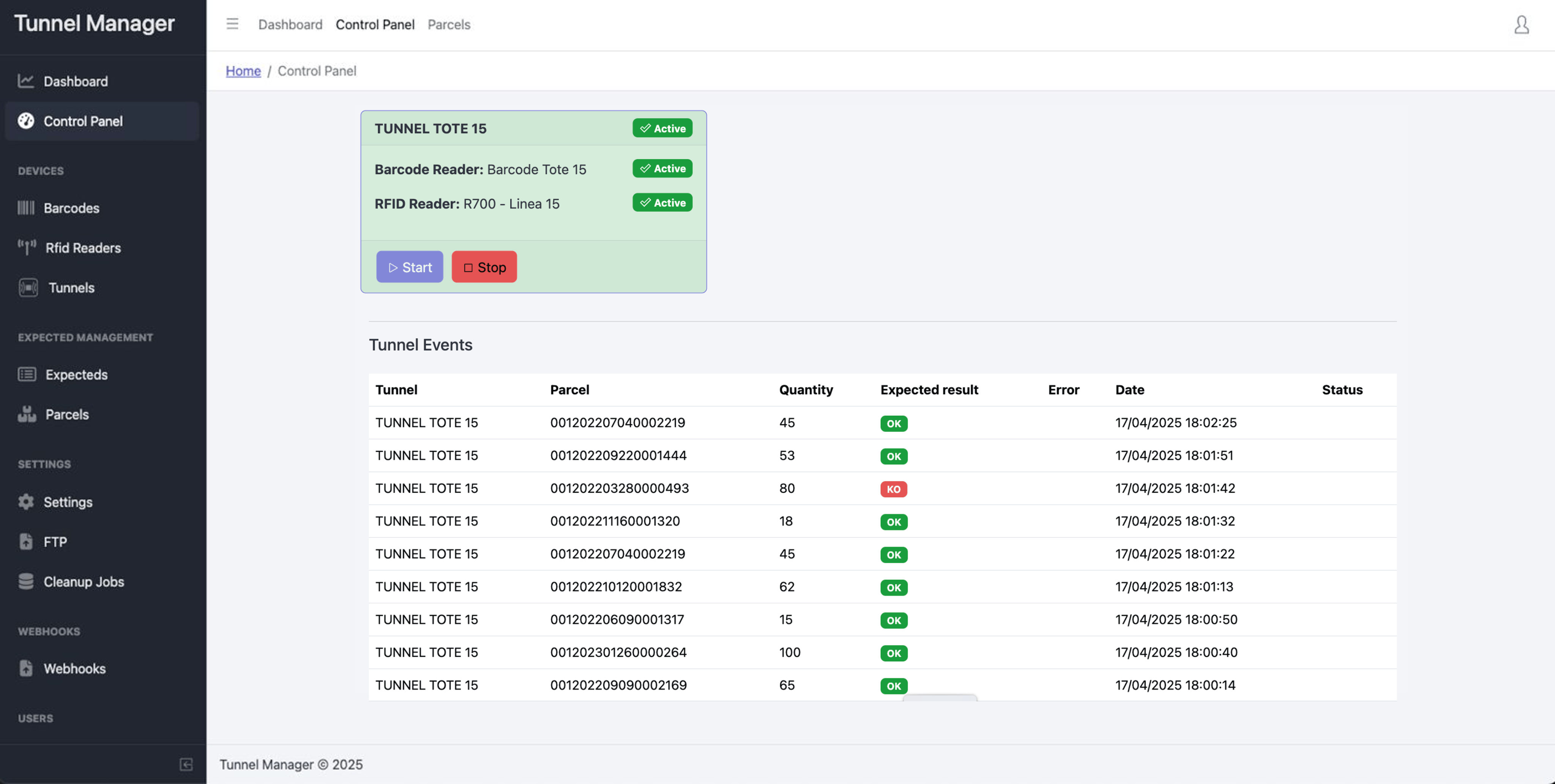
Tunnel Manager managed the antenna array inside each tunnel, handling multi-antenna aggregation and deduplication at full line speed. Every carton that passed through was inventoried in transit — no stops, no operators, no manual scanners.
Custom tunnel hardware, built for the conveyor
The tunnels were designed and built by ACD's hardware partner, adapted to the specific geometry of the existing conveyor lines. Part of the conveyor infrastructure had to be modified to ensure RF compatibility. SPQF handled project design, integration study, calibration, and commissioning. A network of field installers completed the on-site deployment.
"With this solution we dramatically cut the cost of cycle counts. We can now run them without operators on the floor, during low-activity periods, with significantly higher accuracy."
Head of Warehouse Operations
Client
>99% read accuracy. Payback in one cycle count.
The integration between Tunnel Manager and the warehouse management system was straightforward: the agent published each inventory event over WebSocket, and the backend consumed it directly. No custom middleware. No bespoke reader logic. ACD provided Tunnel Manager to handle multi-antenna reading, deduplication, and real-time event streaming. The hardware partner built the physical tunnels. SPQF led the full project — from technical study of the custom tunnel hardware to Tunnel Manager configuration, integration with the automated warehouse system, on-site installation support, and project management. Field installers handled on-site deployment.
SPQF led the project end to end
Technical study of the HW solution — including the custom tunnel design. Tunnel Manager configuration design. Integration support between Tunnel Manager and the automated warehouse management system. On-site installation support. Project management.
ACD provided Tunnel Manager
Multi-antenna reading and deduplication across conveyor lines. Real-time inventory event streaming over WebSocket. Configurable read session logic and parcel-level tracking. Technical support throughout the deployment.
This is the typical ACD collaboration pattern: the customer builds the software they know how to build, and ACD provides the tools to manage the hardware and the expertise on the RFID details that take years to master. Neither team had to step outside its competence. Neither team had to start from scratch.
~4 mo
Full project payback — recovered in the first automated cycle count
3×/yr
Stock counts now fully automated, with no operators assigned to manual scanning
99%+
Read accuracy at tunnel, with zero cross-reads from adjacent warehouse stock